Jurisdiction by jurisdiction
County rules can differ from the nearest city. We track residential code editions and radon appendix adoption separately where the record allows.
Radon guidance for Tennessee
Radon risk, local construction rules, testing data, and certified-pro access—researched county by county across Tennessee.
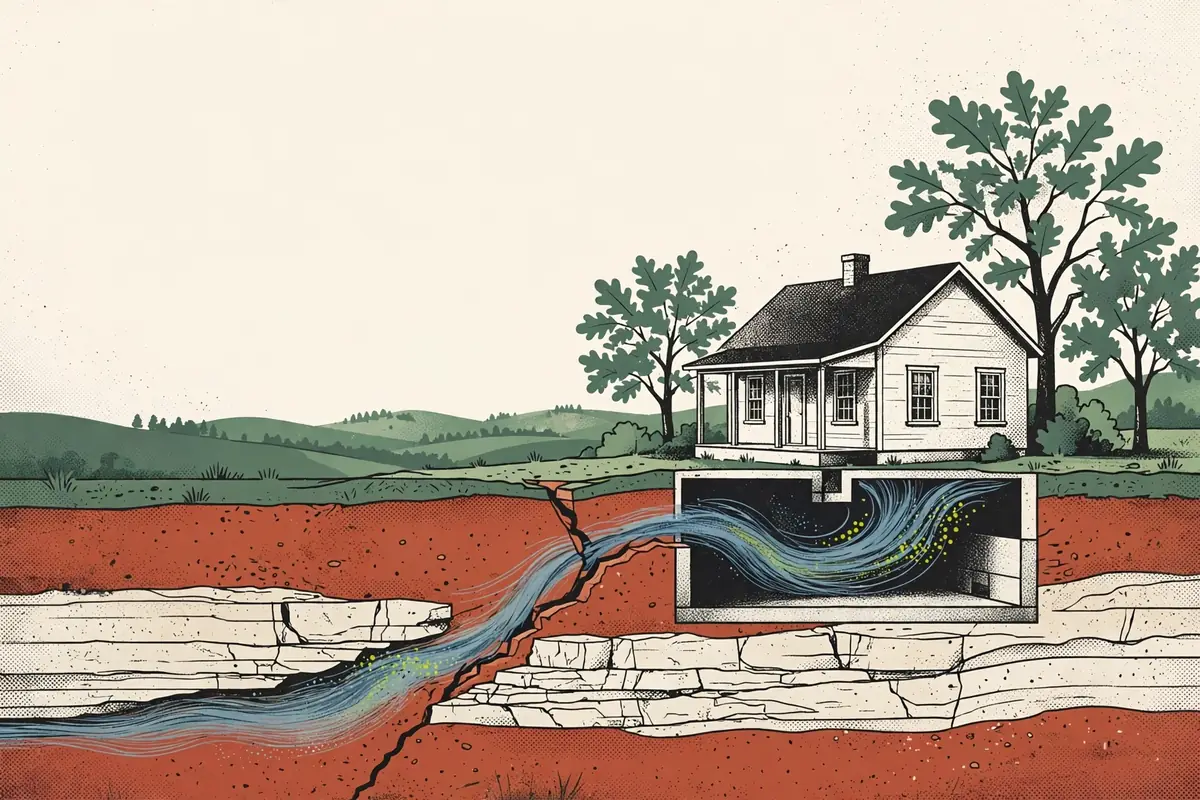
County averages and EPA zones are useful context, but neither can tell you the radon level in a particular home.
See the local risk zone, code findings, available testing data, and testing-access picture.
Use a home kit or hire a certified measurement professional. Follow the device instructions exactly.
EPA recommends fixing at 4 pCi/L or more and considering action between 2 and 4 pCi/L.
If levels are elevated, use a qualified professional and confirm the reduction with a follow-up test.
Each page separates verified facts from open questions and links back to the sources behind the findings.
Why these guides are different
County rules can differ from the nearest city. We track residential code editions and radon appendix adoption separately where the record allows.
If a dashboard value cannot be reproduced or belongs to a larger health region, it stays off the county page.
Certified-professional listings change. Each search is time-stamped and treated as a floor, not a complete census.
“Not found online” is not rewritten as “does not exist.” Unverified claims remain labeled and specific.
Use these statewide resources alongside the local reporting in each county guide.
See what is known locally, what still needs verification, and how to test the home in front of you.