01
Put testing in the contract
Use a negotiated radon inspection contingency. With no certified tester based in the county, schedule early enough for a Tri-Cities or Talbott provider to travel.
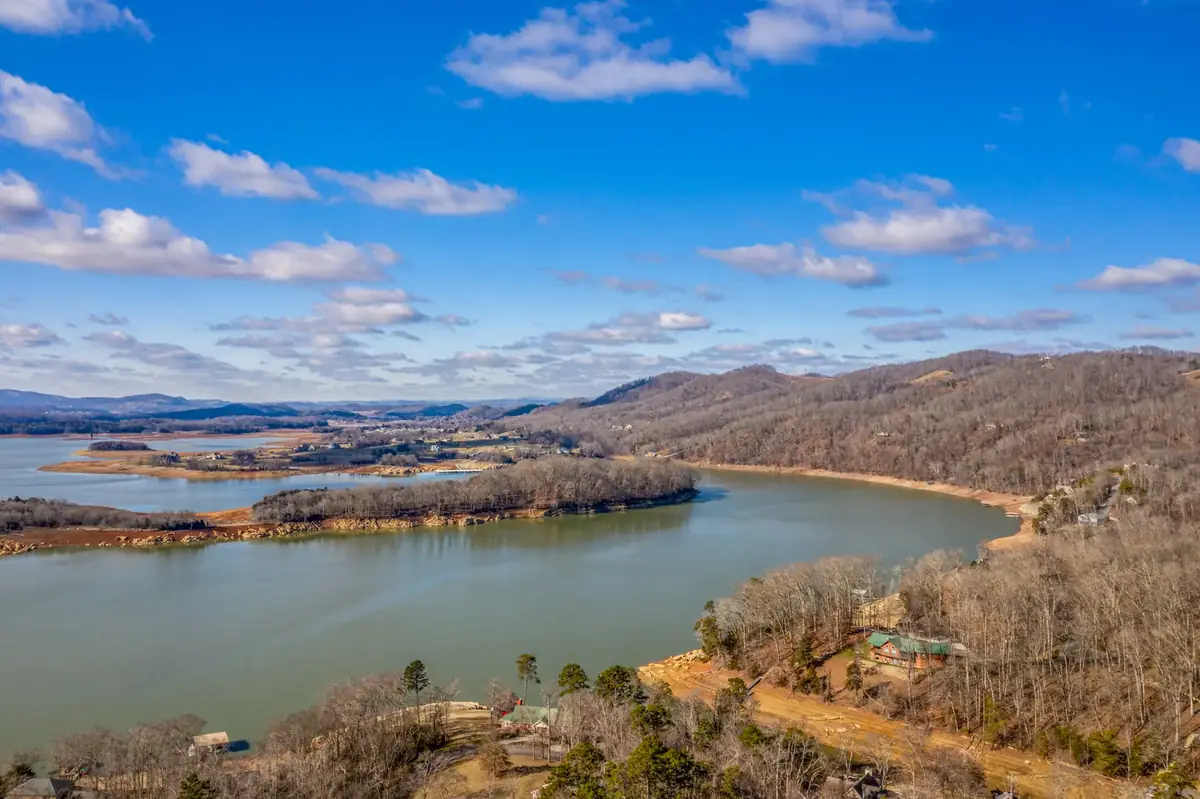
Hawkins County Radon · East Tennessee
Hawkins County sits in EPA’s highest radon-potential zone. Yet the state residential code used outside the cities omits the radon appendix, local city codes remain unresolved, and no certified tester is based in the county.
EPA zone: Zone 1Region: East TennesseeState test data: State test figures couldn't be confirmed, so they aren't shown
Yes, it can be. Hawkins County is in EPA Zone 1, the highest radon-potential category, where the predicted average indoor screening level is above 4 pCi/L. Levels vary from house to house, so a test is the only way to know your home's level.
No, not in unincorporated Hawkins County, which follows the state's 2018 code without the radon appendix. Current codes for Church Hill, Mount Carmel and Rogersville couldn't be confirmed. Local code details
Order a free short-term kit from the Tennessee Radon Program online or by calling 1-800-232-1139. Place it on the lowest lived-in floor, about 3 feet off the floor, for 3 to 5 days, then mail it back right away. How to test your home
EPA recommends fixing your home if radon is 4 pCi/L or higher, and considering a fix between 2 and 4 pCi/L. Confirm a high short-term result with a second test first. What your result means
Tennessee doesn't license radon professionals, so look for NRPP or NRSB certification. Search both national directories by ZIP code; certified professionals often serve Hawkins County from nearby cities. How to choose a radon professional
Hawkins County government says it issues no building permits and has no county code enforcement; permits go through Tennessee. The State Fire Marshal’s residential rule adopts the 2018 IRC plus Appendix Q only—not Appendix F, the radon appendix.34
EPA’s highest radon-potential category. Hawkins also appears in the 2024 IRC’s table of high radon-potential counties.12 A zone is a planning signal—not a test result for a particular home.
Across four attempts, the Tennessee Radon Testing map returned neighboring counties such as Washington and Greene, never a tooltip whose own county label identified Hawkins.8
No Hawkins average, median or maximum appears here. Those figures need a confirmed county tooltip on multiple loads or underlying data from Tennessee officials.
Outside municipal programs, Tennessee’s State Fire Marshal residential framework is the operative code. The three principal municipalities need direct confirmation because online codifications are old or incomplete.
No county permits or enforcement. Tennessee uses the 2018 IRC plus Appendix Q only; Appendix F for radon is not adopted, so radon-resistant construction is optional.34
The online Title 12 cites the 2006 IRC and names no appendices. That record may be superseded, so the current edition and SFMO authorization has not been confirmed.6
The town site lists no building or codes department, and the current residential edition could not be verified online. If no authorized local program exists, the state framework applies.
The available codification references an old 2003 IBC. Current residential-code adoption and local authorization were not verified online.
Tennessee doesn't license radon testers or mitigators, so national certification is the best way to check qualifications. The Tennessee Radon Program points residents to two directories: search them by ZIP code and widen the radius if nothing is listed nearby.
We don't recommend or rank companies. Before you hire, check the certification number in the directory yourself and ask for a follow-up test after any system is installed. Questions to ask a radon professional.
Hawkins County combines high geologic potential with no confirmed construction mandate. Tennessee’s disclosure form asks about known radon, but it is not a warranty and does not require a seller to test.11
Use a negotiated radon inspection contingency. With no certified tester based in the county, schedule early enough for a Tri-Cities or Talbott provider to travel.
Do not assume a new house—waterfront construction included—has a gas-permeable layer, soil-gas retarder, vent rough-in or other radon-ready features.
TDEC’s Tennessee Radon Program offers free DIY test kits to homeowners statewide. The reported hotline is 1-800-232-1139.14
Hawkins County had about 59,700 residents, roughly 28,000 housing units, 80% owner occupancy, a $176,300 median owner-occupied value and 141 building permits in 2025, according to cited population and Census summaries.1213 These figures describe market scale, not radon exposure.
Short answers grounded in EPA’s zone file, Tennessee’s residential rule, the state dashboard review and current professional directories.
Yes. Hawkins County is EPA Radon Zone 1, the highest-potential category. That designation supports testing but does not predict the level in an individual home.
In unincorporated Hawkins County, no: the State Fire Marshal’s residential program adopts the 2018 IRC plus Appendix Q only, not Appendix F for radon. Current code editions and local authorization in Church Hill, Mount Carmel and Rogersville still need direct confirmation.
The Tennessee dashboard never produced a tooltip whose own county label identified Hawkins across four attempts. Neighboring-county numbers are not substitutes, so the average, median and maximum are withheld.
No. Tennessee’s disclosure form asks sellers about known environmental hazards, including radon gas, but it is not a warranty and does not create a duty to test. A buyer can negotiate a radon inspection contingency.
No Hawkins-specific rule was found. Tennessee law encourages local education agencies to conduct indoor-air-quality programs that may include radon testing; it does not mandate radon testing statewide.7
Official sources establish the risk and code framework. Directory searches and market references provide a dated snapshot. Sources were reviewed October 16, 2026 unless noted.