01
Write testing into the deal
Use a radon test contingency. With no certified professional based in the county, arrange the test early enough for a provider to travel in.
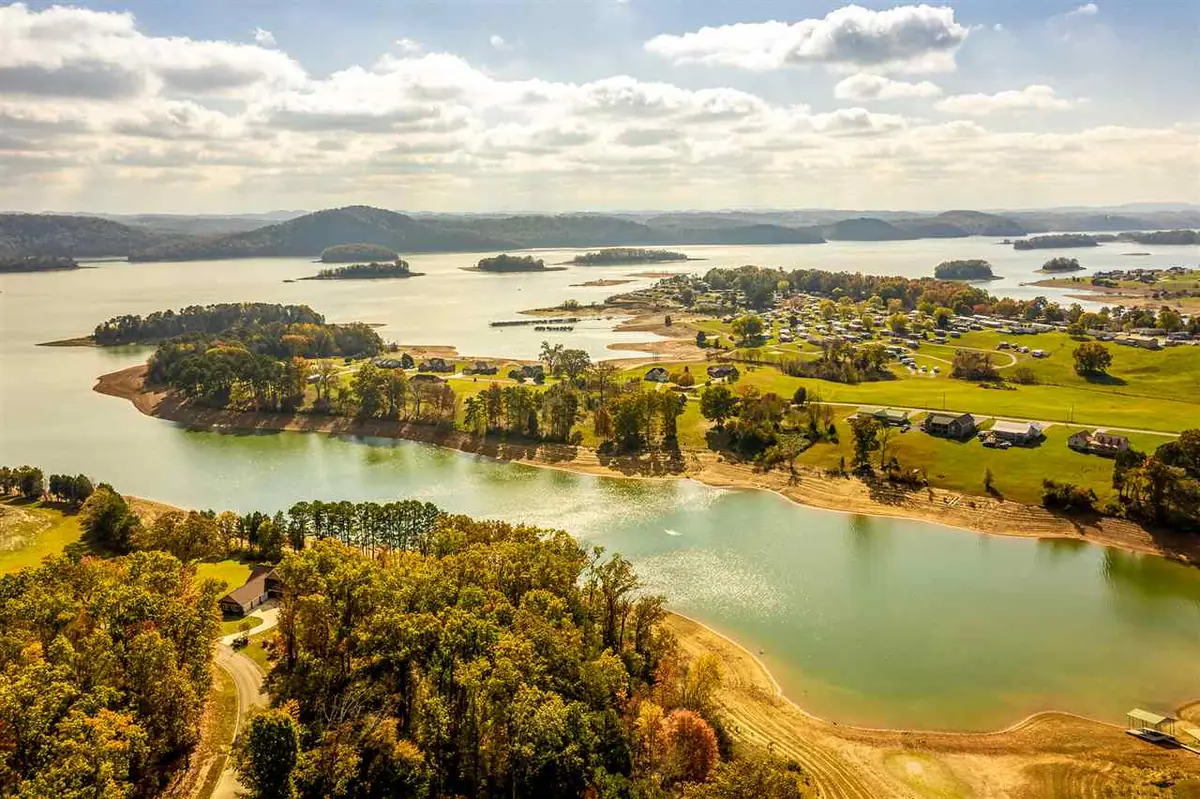
Grainger County Radon · East Tennessee
Grainger County sits in EPA’s highest radon-potential zone. Yet new homes are not required to use radon-resistant construction, county data are unreliable, and no certified tester is based locally.
EPA zone: Zone 1Region: East TennesseeState test data: State test figures couldn't be confirmed, so they aren't shown
Yes, it can be. Grainger County is in EPA Zone 1, the highest radon-potential category, where the predicted average indoor screening level is above 4 pCi/L. Levels vary from house to house, so a test is the only way to know your home's level.
No. Unincorporated Grainger County and Rutledge opted out of state residential codes, and in Bean Station and Blaine the state's 2018 code applies without the radon appendix. Local code details
Order a free short-term kit from the Tennessee Radon Program online or by calling 1-800-232-1139. Place it on the lowest lived-in floor, about 3 feet off the floor, for 3 to 5 days, then mail it back right away. How to test your home
EPA recommends fixing your home if radon is 4 pCi/L or higher, and considering a fix between 2 and 4 pCi/L. Confirm a high short-term result with a second test first. What your result means
Tennessee doesn't license radon professionals, so look for NRPP or NRSB certification. Search both national directories by ZIP code; certified professionals often serve Grainger County from nearby cities. How to choose a radon professional
The county and Rutledge opted out of state residential code enforcement. Bean Station and Blaine remain under the state program, but Tennessee’s adopted residential code does not include the radon appendix. No part of Grainger County has a confirmed radon-resistant construction mandate.
The EPA’s highest-potential category: predicted average indoor radon screening levels greater than 4 pCi/L. A zone is a planning signal, not a substitute for testing an individual home.
On two separate loads, the county-labeled tooltip returned the same average, median and maximum—but the displayed maximum was lower than the average. That is mathematically impossible.
We do not present any of those three figures as fact. The underlying dataset or a corrected dashboard is needed.
The State Fire Marshal’s official jurisdiction table distinguishes opted-out areas from places where the state residential program applies. Even in the state-enforced towns, the radon appendix is not part of Tennessee’s adopted 2018 IRC.
No state residential building-code enforcement. No radon-resistant construction mandate.
No state residential standards apply. No radon-resistant construction mandate.
The State Fire Marshal enforces the 2018 IRC with amendments. Tennessee adopted Appendix Q only—not Appendix F, the 2018 radon appendix.
The same state framework applies: 2018 IRC, but no adopted radon appendix.
The missing appendixAppendix F is “Radon Control Methods” in the 2018 IRC. Tennessee’s statewide adoption names Appendix Q for tiny houses but not Appendix F, and excludes optional or recommended provisions. The result: radon-resistant new construction is optional in Bean Station and Blaine.
Tennessee doesn't license radon testers or mitigators, so national certification is the best way to check qualifications. The Tennessee Radon Program points residents to two directories: search them by ZIP code and widen the radius if nothing is listed nearby.
We don't recommend or rank companies. Before you hire, check the certification number in the directory yourself and ask for a follow-up test after any system is installed. Questions to ask a radon professional.
Tennessee does not require a radon test in a home sale. Sellers disclose hazards they know about, but they are not required to test and may answer “Unknown.” Grainger County’s code landscape adds no dependable new-construction backstop.
Use a radon test contingency. With no certified professional based in the county, arrange the test early enough for a provider to travel in.
Do not assume a new house has a gas-permeable layer, soil-gas retarder, vent rough-in or other radon-ready features.
Zone maps describe regional potential. Foundation type, geology and construction details vary—even among nearby Cherokee Lake properties. Only a test answers for a specific home.
Short answers grounded in the official jurisdiction table, Tennessee’s residential code rule and the state dashboard review.
Yes. Grainger County is EPA Radon Zone 1, the highest-potential category, with a predicted indoor screening average above 4 pCi/L. That designation supports testing; it does not predict the result in any one house.
No. The county and Rutledge are opted out of the state residential program. Bean Station and Blaine are state-enforced, but Tennessee’s 2018 IRC adoption does not include Appendix F, the radon appendix.
The state dashboard produced the same county-labeled values on two loads, but the displayed maximum was below the average. Because that cannot be correct, all three tooltip values are withheld pending the underlying dataset or a dashboard correction.
No. State disclosure practice covers known environmental hazards, including radon, but does not impose a duty to test. Buyers should make testing part of their own due diligence.
No county- or municipal-specific radon rule for schools, public buildings or real-estate transactions was found. Tennessee encourages schools to address radon through indoor-air-quality programs, but no statewide school testing mandate was verified.
Core claims rely on official Tennessee sources where available. National directories and EPA's zone map supply the professional and risk context. All were reviewed October 16, 2026 unless noted otherwise.